Devotion
Rites are approached with sincerity and a respectful attitude toward the sacred places of Gaya Ji.
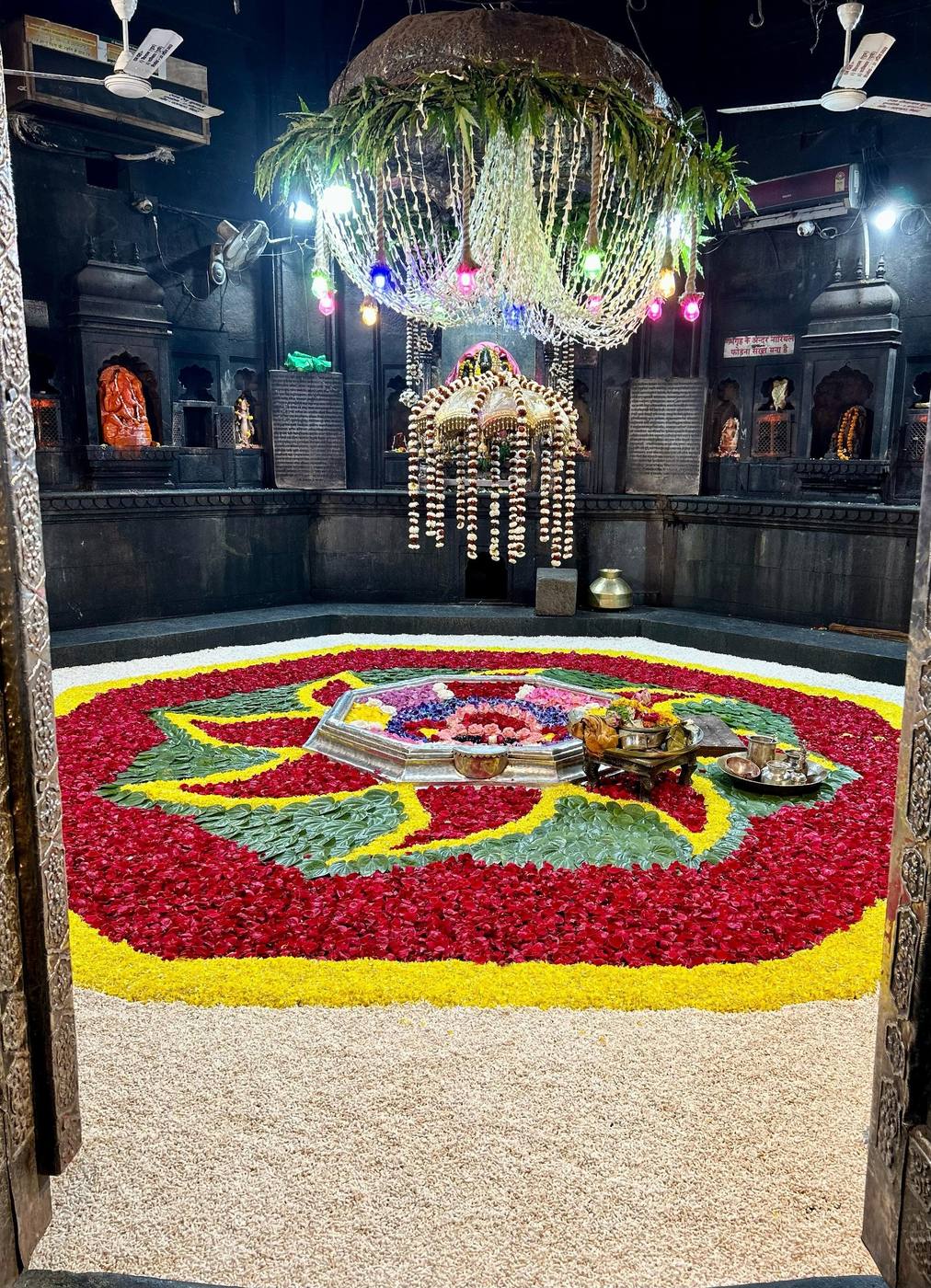
Pind Daan, Shraddh, Pitru Karma
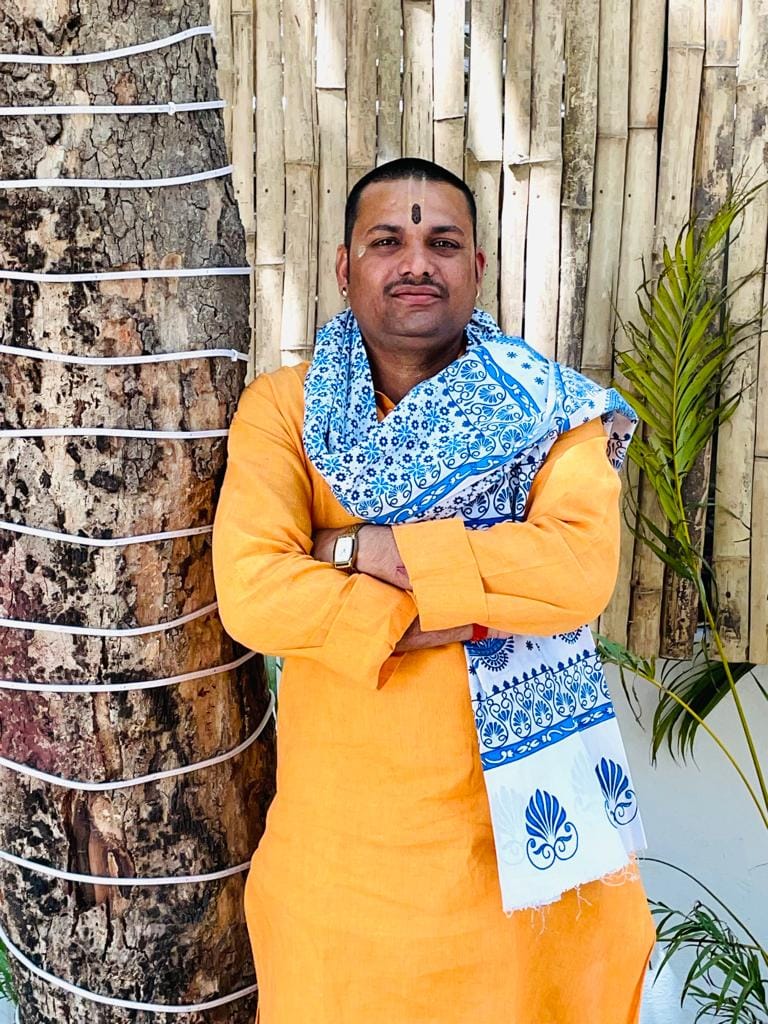
Acharya Kartavya Gurda Ji
Traditional ancestral rites in Gaya Ji, explained with care and carried out according to your family custom.
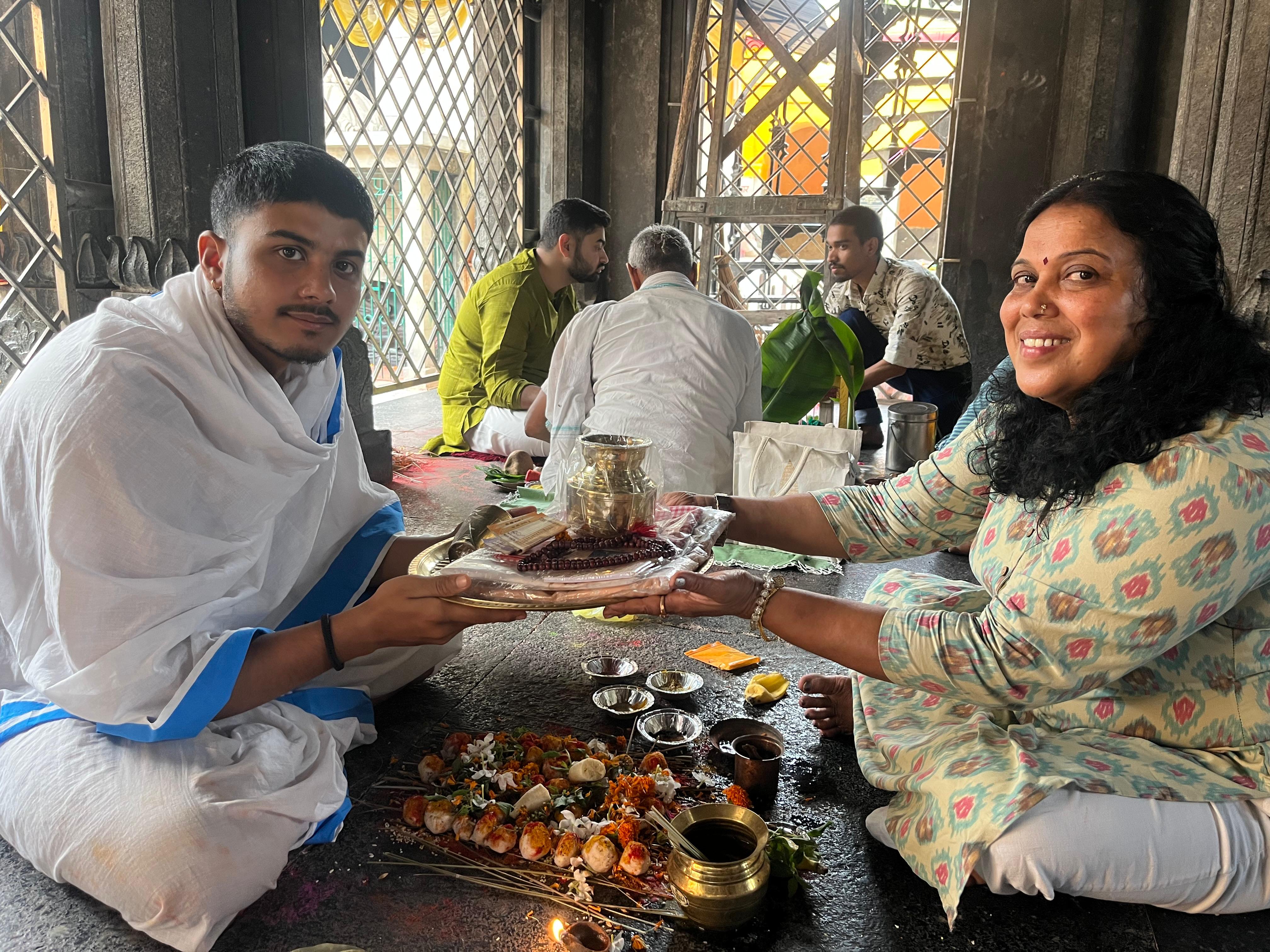
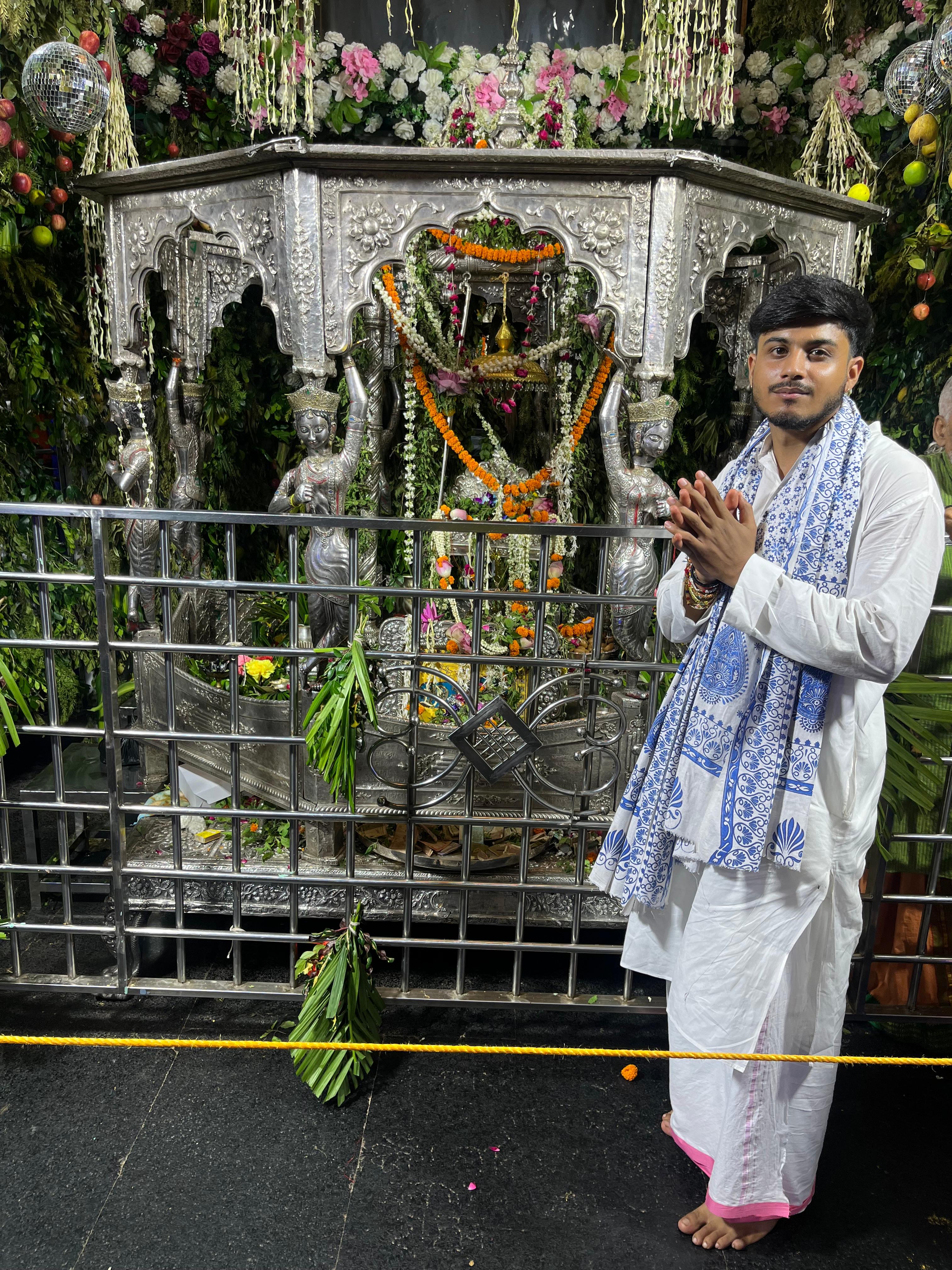
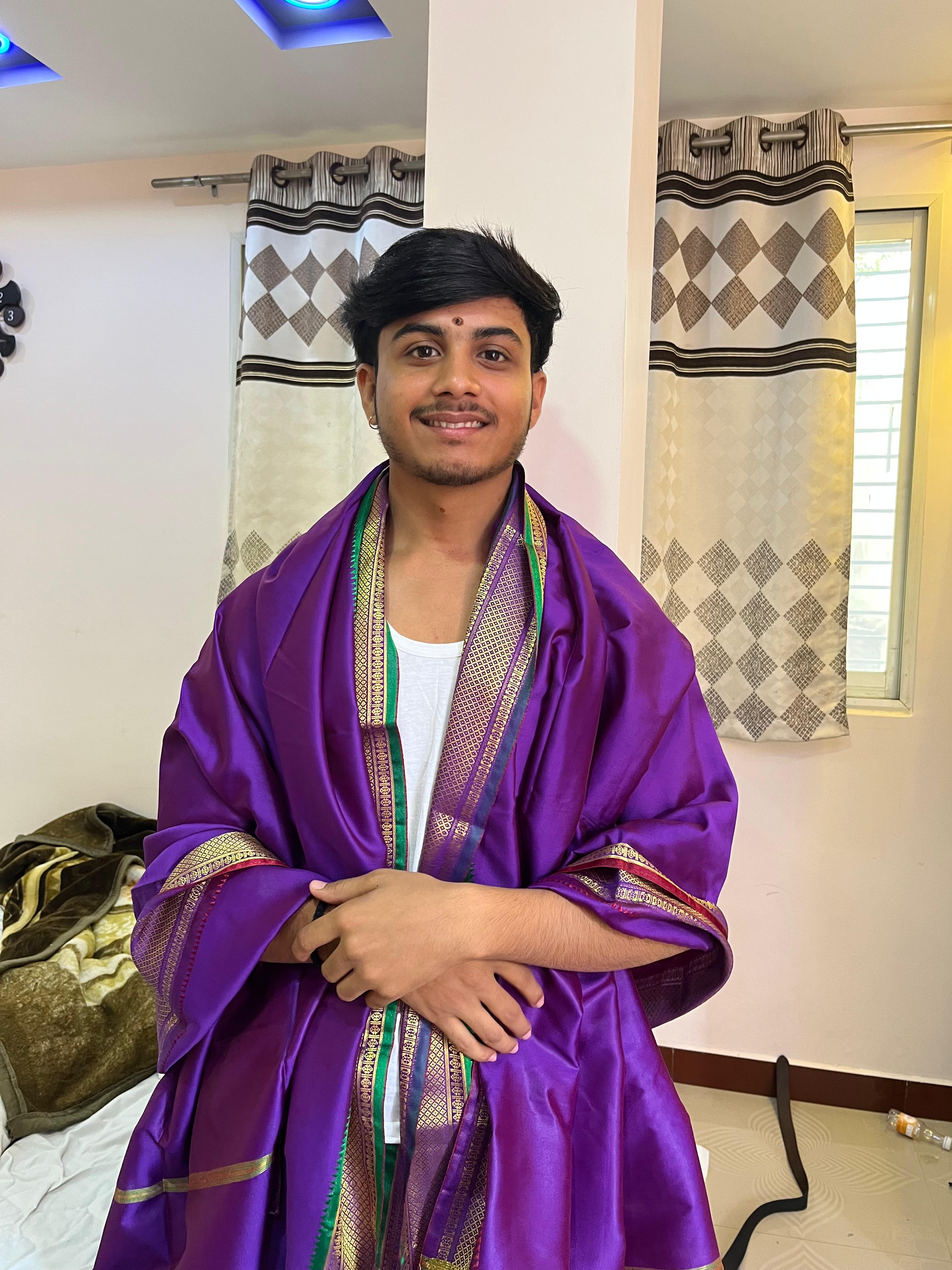
Acharya Kartavya Gurda Ji is the primary Acharya and point of contact for families who come to Gaya Ji for Pind Daan, Shraddh, and related Pitru Karma. He guides visitors through the rites with respect, clear communication, and attention to each family's tradition.
The Acharya
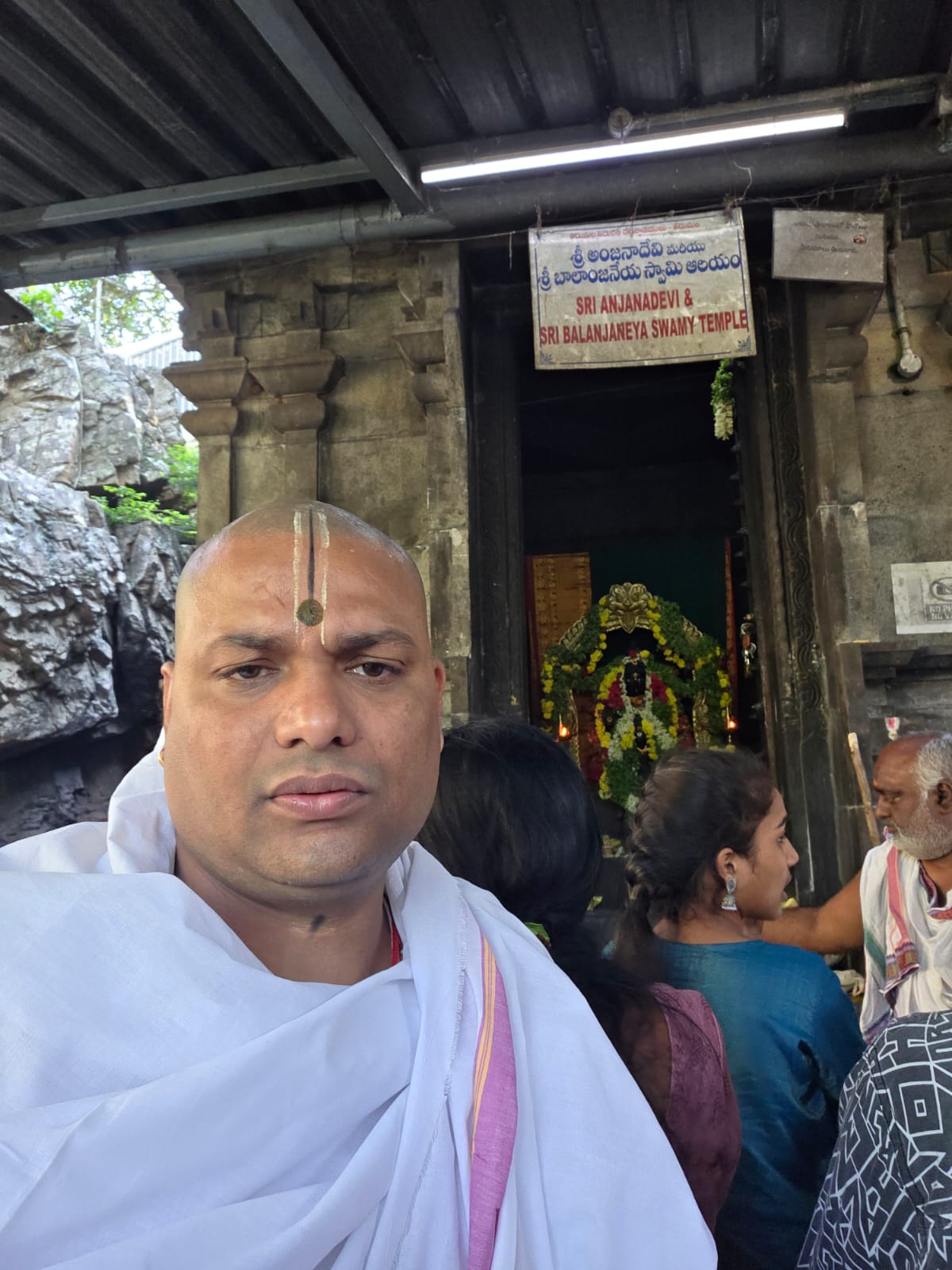
Father of Acharya Kartavya Gurda Ji, with more than 30 years of experience. He offers senior guidance and support. The primary contact for bookings and day-to-day coordination remains Acharya Kartavya Gurda Ji.
Rites are approached with sincerity and a respectful attitude toward the sacred places of Gaya Ji.
Procedures follow established custom, adapted to the family's tradition as explained by the Acharya.
Each step is explained in plain language so families know what to expect before and during the rites.
Every family is received with patience. Details of timing, materials, and procedure are confirmed directly.
Pind Daan in Gaya Ji is a traditional offering made in honour of ancestors. The exact procedure varies by family custom. Contact the Acharya for detailed information.
Gaya Ji in Bihar is traditionally regarded as an important place for ancestral rites such as Pind Daan and Shraddh. Pilgrims visit from many parts of India. Exact significance for your family should be discussed with the Acharya.

The Falgu River is associated with tarpan and related offerings according to tradition. Local conditions and the right place for rites should be confirmed with the Acharya at the time of your visit.
The Falgu River is closely connected with the religious identity of Gaya Ji. Its banks have traditionally been associated with Pind Daan, Tarpan and other ancestral rites. The Gaya District Administration describes it as a seasonal river, with visible surface flow varying through the year.
Religious tradition also preserves the story of Mata Sita and the river's association with an underground flow; this is presented as a traditional belief. Near Vishnupad Temple, the Gaya Ji Dam is a modern rubber dam project intended to support water availability near the temple, according to Bihar Government documents.
Together, the Falgu River and the Vishnupad area represent a meeting point of Gaya Ji's religious traditions, pilgrimage practices and modern water infrastructure.
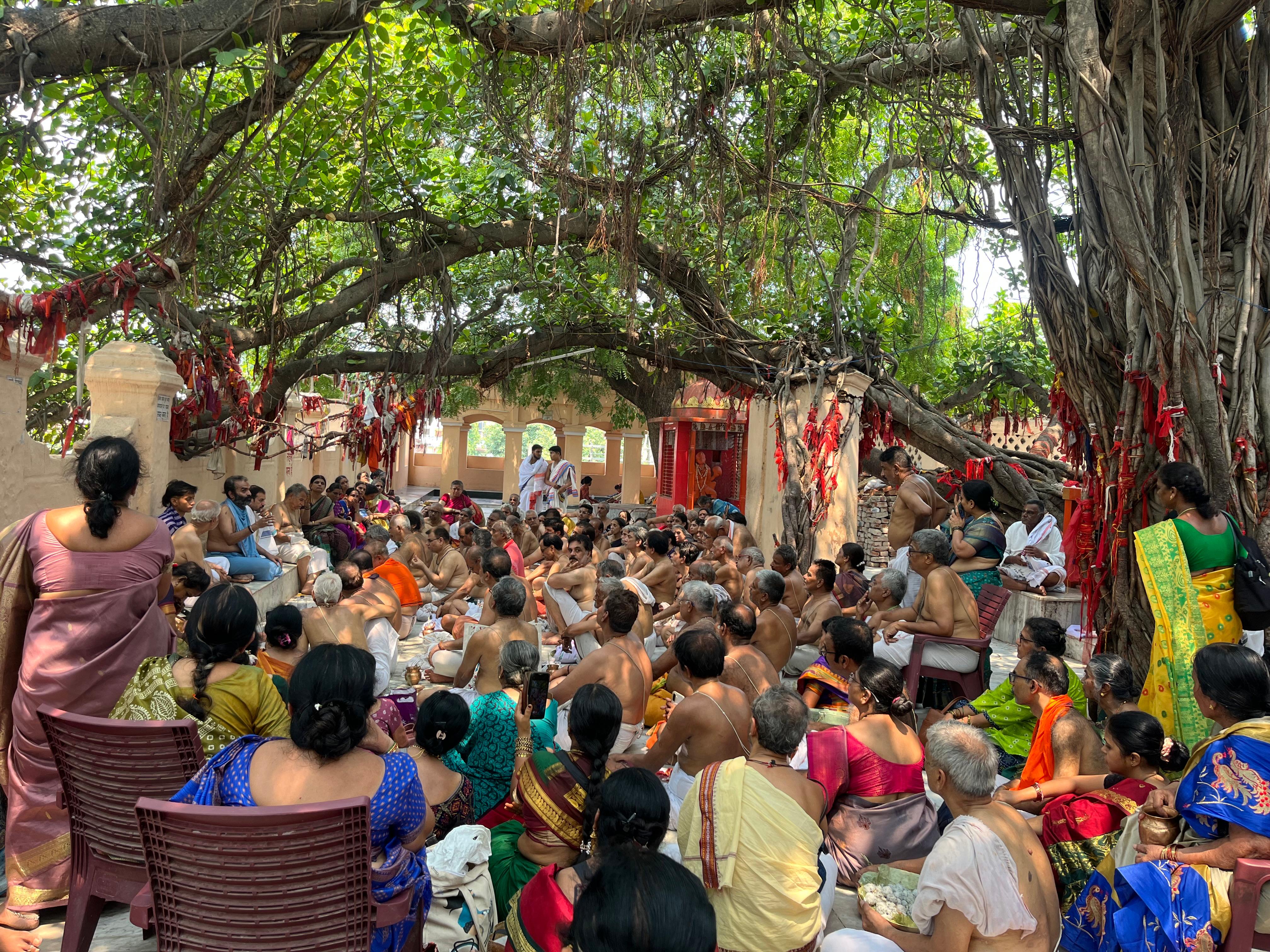
Akshayavat is a sacred tree in Gaya Ji that devotees traditionally associate with ancestral rites. Visit details should be planned with the Acharya.
Akshayavat is a sacred tree associated with the pilgrimage tradition of Gaya Ji and located in the vicinity of Vishnupad Temple. It holds an important place in the religious landscape of Gaya and is traditionally associated with ancestral rites and Pind Daan.
According to local religious tradition, Akshayavat is connected with the story of Mata Sita and is regarded as an enduring or ‘imperishable’ sacred tree. This is a traditional religious belief, presented respectfully as such.
For pilgrims performing Pind Daan and Pitru Karma, Akshayavat is one of the traditionally recognised sacred places of the Gaya Ji pilgrimage.
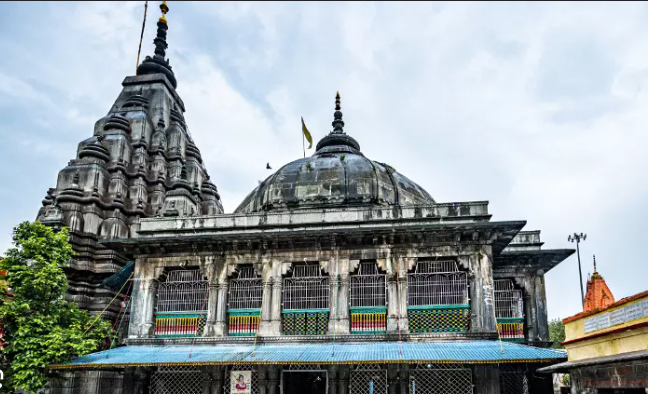
Vishnupad Temple in Gaya Ji is traditionally associated with Lord Vishnu. Devotees believe the site holds spiritual significance for ancestral rites. Temple procedures and visiting hours are not listed here; please confirm directly with the Acharya.
Vishnupad Temple is an important pilgrimage site of Gaya Ji and is dedicated to Lord Vishnu. Situated beside the Falgu River, it is especially known for the sacred footprint associated with Lord Vishnu, preserved on a stone within the temple. The site has a long association with the Pind Daan tradition of Gaya.
According to Hindu religious tradition, the footprint is connected with the sacred legend of Gayasura. This is a religious tradition, not a verified historical event. The present temple structure is associated with the 18th century and Queen Ahilyabai Holkar, and its stone architecture makes it an important spiritual and cultural landmark.
For devotees visiting Gaya for Pind Daan, Shraddh and Pitru Karma, Vishnupad Temple forms an important part of the traditional pilgrimage landscape.
Pilgrim Support
For devotees and families visiting Gaya Ji for Pind Daan, Shraddh, and Pitru Karma, guidance and coordination may be available according to need and availability.
Please contact us for arrangements and guidance. Availability should be confirmed in advance.
Pind Daan in Gaya Ji
Pitru Karma in Gaya Ji
Devotee Experiences
Real experiences shared by devotees after their visit for Pind Daan and Pitru Karma may be featured here.
Only genuine experiences may be shared. No reviews have been published yet.
Share Your Experience